- Addictions
- Intimacy concerns
- Motivational interviewing
About Eric
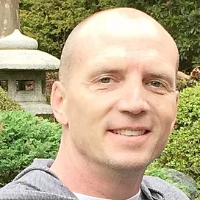
Eric Mason is a Licensed Independent Social Worker (LISW) and a Licensed Independent Mental Health Practitioner (LIMHP) with 13 years of experience. He practices in Nevada and has worked across substance use and mental health settings. He lists work with depression, anxiety, trauma and abuse, addictions, relationship concerns, and intimacy-related issues among his focus areas.
He has a background in psychology and addiction studies from Nevada State College and a Master of Social Work from the University of New England. Those studies support years of clinical work that include addiction treatment and general mental health care. He also notes experience with issues such as grief, anger, stress, and mood disorders.
In sessions he favors straightforward, interactive conversations. He uses approaches that help people notice and change unhelpful thoughts and behaviors, set practical goals, and build coping skills. He also brings techniques that focus on awareness and motivation when people want to change patterns related to substance use or behavior.
People who contact him can expect short, clear discussions about goals and next steps. He works on communication problems, coping with life changes, and relationship strain in simple, focused sessions. He also addresses topics like self-esteem, impulsivity, and guilt and shame.
Eric lists additional practice areas including adoption and foster care, HIV/AIDS related concerns, post-traumatic stress, sexual assault and abuse, and men’s issues. He provides services in English and does not take international clients. For practical arrangements and session options, confirm the current formats before booking.
Approaches used in remote work and what they do
Client-Centered Therapy focuses on listening and helping people identify their own goals. It supports issues where having an open, accepting conversation helps someone feel heard and make decisions. Cognitive Behavioral Therapy (CBT) looks at the links between thoughts, feelings, and behavior and teaches concrete skills to change unhelpful patterns; it is often used for anxiety, depression, and anger. Motivational Interviewing is a short-term, goal-focused style that builds a person’s readiness to change behaviors such as substance use or impulsive actions.Finding the right approach is part of the work. The therapist will collaborate with the person to decide which methods fit their needs and preferences. That process includes checking what matters most, setting clear goals, and adjusting techniques as progress is seen.
Session formats are not specified in the biography, so confirm current online options before booking. Many people choose remote sessions because they can fit meetings into workdays, reduce travel time, or use a shorter check-in when needed. Online work can also make it easier to continue care during life changes while keeping therapy practical and focused.
Frequently asked questions
What kinds of concerns does he help with?
He works with a broad range of issues including addictions, depression, anxiety, trauma and abuse, relationship and intimacy-related issues, grief, and stress.
How would you describe his therapy style?
He uses interactive, direct conversations and practical techniques to set goals and build coping skills. He blends client-centered methods with cognitive and motivational approaches.
How much clinical experience does he have?
He has 13 years of experience working in substance use and mental health settings.
What are his credentials and where does he practice?
He holds LISW and LIMHP credentials and provides services in Nevada.
Can sessions be held in languages other than English?
Sessions are offered in English.
Does he work with international clients?
He does not accept international clients at this time.
How are fees and payment handled?
Cost varies with location and sessions use a subscription that can be canceled at any time.
How do I get started with him?
Select the See online therapy options button, complete the short matching questionnaire, and schedule a first session.