- CBT methods
- Client-Centered work
- Trauma-focused care
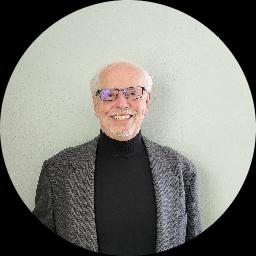
About David
David Johnson is a Licensed Professional Counselor (LPC) practicing in South Dakota with over 30 years of experience. He works with people facing stress, anxiety, trauma and abuse, depression, and challenges around life changes. He also addresses relationship concerns, grief, addictions, and intimacy-related issues.
He uses straightforward conversation to clarify what is most pressing. Sessions focus on practical steps and on strengthening coping skills. David adapts his approach using methods that fit the situation rather than sticking to a single plan.
David draws on Client-Centered Therapy to follow the client's lead and build a working collaboration. He uses Cognitive Behavioral Therapy (CBT) to spot unhelpful thinking and try small behavior changes. Motivational Interviewing helps when someone feels stuck about change, and Solution-Focused Therapy helps set short-term goals.
When trauma or abuse is part of the picture, he integrates Trauma-Focused Therapy approaches and focuses on safety and stabilization first. He pays attention to patterns that come from family of origin, abandonment, or past relationship betrayals when those issues appear.
Sessions tend to be practical and paced to the individual's needs. People come for single issues like insomnia or cravings, or for broader concerns such as life purpose, career, or fatherhood questions. To start, he asks a few questions, clarifies goals, and outlines the next steps.
How his approaches translate to online work
Client-Centered Therapy focuses on listening and following the client's priorities. Online sessions can use that same focus to clarify goals, explore feelings, and plan next steps in a conversational way. Cognitive Behavioral Therapy (CBT) breaks problems into thoughts, feelings, and actions. In an online session CBT can guide practical exercises such as monitoring thoughts, running behavioral experiments, and assigning short between-session tasks. Motivational Interviewing is a collaborative way to resolve uncertainty about change. Online conversations can use this method to identify personal reasons for change and build commitment in smaller steps.Finding the right approach is part of the work. The therapist will discuss options, try methods that fit the client's needs, and adjust based on what is helpful. This is a collaborative process that looks at goals, preferences, and how the methods feel in practice.
The therapist's biography does not list specific session formats, so confirm the available options before booking. Many people find online sessions make it easier to fit appointments around work, family, or travel. Other practical benefits include shorter check-ins when needed, not needing to travel, and being able to continue care across life changes while testing approaches that address stress, trauma, or intimacy concerns.
Frequently asked questions
What concerns does he address?
He works with stress, anxiety, depression, trauma and abuse, relationship and intimacy-related issues, grief, addictions, sleeping and eating problems, and related areas.
What is his therapeutic style?
He uses a practical, conversational style. Sessions focus on identifying goals, trying small changes, and reviewing what helps.
How much clinical experience does he have?
He has 30 years of professional experience working with a wide range of concerns and client needs.
What credential and region does he practice in?
He is an LPC licensed in South Dakota and practices in that state.
Which languages are supported and can international clients join?
Sessions are offered in English and he is not currently accepting international clients.
What session formats are available?
Confirm current session options before booking as the biography does not list specific formats.
How are sessions priced?
Cost varies with location; sessions use a subscription that can be canceled at any time.
How do I begin therapy with him?
Select the See online therapy options button, complete a short matching questionnaire, and schedule a first session.