- Acceptance and Commitment Therapy
- Emotionally-Focused Therapy
- Solution-Focused Therapy
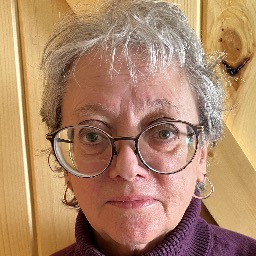
About Cheryl
Cheryl McNeil is a Licensed Clinical Professional Counselor (LCPC) in Montana with 27 years of experience. She works with people on stress, anxiety, relationship strain, intimacy-related issues, depression, addictions, trauma and abuse, grief, and related concerns. She also addresses workplace struggles, self-esteem, and coping with life changes.
Cheryl draws on several counseling approaches and adapts them to each person. Sessions focus on clear talk, practical steps, and finding which changes feel doable. She invites people to consider what they value and what small moves could help them live closer to those values.
Her background includes work in community mental health, a Job Corps program, and private practice settings. That mix has shaped an approach that blends long-term therapy with short-term problem solving. She has experience supporting people facing mood disorders, addiction, and effects of past abuse.
In the room Cheryl listens for what matters most and then uses evidence-informed tools to help people move forward. That might mean practicing new ways of communicating, examining unhelpful patterns, or building steadier coping skills. She also uses techniques aimed at strengthening emotional connection in relationships when intimacy or attachment is a concern.
Cheryl offers therapy in English and accepts international clients. Because session formats were not specified in her profile, readers should confirm current session options before booking. To begin, follow the site flow to complete a short matching questionnaire and schedule a first session.
How Cheryl’s approaches translate to online work
Acceptance and Commitment Therapy (ACT) focuses on clarifying personal values and taking small, concrete steps toward them. It helps when someone feels stuck, overwhelmed by anxiety, or uncertain about changes they want to make. Emotionally-Focused Therapy (EFT) centers on understanding and reshaping emotional responses in close relationships. It can help people who are dealing with distance, trust breaches, or recurring hurt in important relationships. Client-Centered Therapy emphasizes listening, reflection, and working at the client’s pace to build self-understanding and practical goals.Choosing the right approach is part of the work. Cheryl will collaborate with each person to see which methods fit their goals and preferences. That can mean trying a few techniques, checking what helps, and adjusting as needed over time.
The original biography does not list specific session formats, so confirm the current online options before you book. Online sessions can make it easier to fit therapy into a day, reduce time spent traveling, allow shorter check-ins when schedules are tight, and let people participate without being on camera if that feels better. Licensed professionals can use these practical options to match therapy to everyday life and responsibilities.
Frequently asked questions
What concerns does she address?
She supports people with stress, anxiety, intimacy-related issues, depression, addictions, trauma and related problems listed in her profile.
What is her therapeutic style?
She uses an eclectic, responsive approach that combines practical steps with longer-term work on values and behavior change.
How much clinical experience does she have?
She has 27 years of experience working in community mental health, a Job Corps program, and private practice settings.
What credentials and location are listed?
She is an LCPC and practices in Montana.
Which languages and international options are supported?
Sessions are offered in English and she accepts international clients.
What session formats are available?
The original profile did not specify session formats, so confirm current online or in-person options before booking.
How does her pricing work?
Cost varies with location and sessions use a subscription that can be canceled at any time.
How do I get started?
Select the See online therapy options button, complete a short matching questionnaire, and schedule a first session.