- Grief support
- Addiction recovery
- Neurodivergence informed
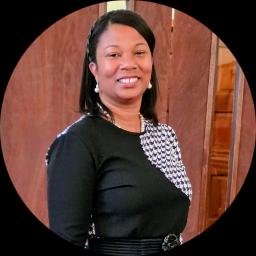
About Candida
Candida Phelps is a Licensed Professional Clinical Counselor (LPCC) in Kentucky with three years of clinical experience. She works with adults facing grief, addiction recovery, neurodivergence challenges, anxiety, and relationship and intimacy concerns. Sessions focus on practical steps and clear coping tools rather than abstract theory.
Phelps draws on hands-on work in a Medication-Assisted Treatment facility and a background in special education and school counseling. That mix gives her familiarity with trauma, recovery, and supporting people who are neurodivergent. She uses evidence-based techniques to address stress, depression, and anger, and to help people manage parenting and career transitions.
In therapy she breaks problems into manageable parts. Clients learn concrete coping strategies, boundary-setting, and ways to reduce overwhelm. She also works on communication problems, forgiveness, and rebuilding trust after breaches.
Her approach includes methods that focus on thoughts and behaviors, skills for emotion regulation, and trauma-informed practices. Those tools are aimed at practical change, like better sleep, reduced substance use, clearer decisions, and improved day-to-day functioning.
People seeking help for intimacy-related issues, social anxiety, or issues tied to identity find the work emphasizes clear goals and steady skill-building. Candida encourages collaboration on treatment priorities and on the pace of work. To begin, clients follow the site’s matching steps and schedule an initial session.
Evidence-based approaches and online care
She commonly uses cognitive behavioral strategies which help people identify unhelpful thought patterns and try different behaviors to reduce anxiety or depression. That approach is practical and focused on small, testable changes that can improve daily routines.She also uses skills-based techniques for emotion regulation that teach concrete ways to manage intense feelings, reduce impulsive reactions, and improve sleep and stress responses. These methods can be useful for coping with cravings, anger, or overwhelm following loss or trauma.
Finding the right approach is part of the work and is decided together. The therapist will review goals, past history, and how a person prefers to work, then suggest which techniques to try and when to adjust them. This is a collaborative process that can shift as progress is made.
The biography does not specify which online session formats are offered, so confirm current options before booking. Online sessions can make it easier to fit therapy into a busy day, shorten travel time, allow a quieter check-in during a work break, or avoid needing to be on camera for every visit. These practical benefits often help people maintain continuity of care while they work on grief, addiction recovery, intimacy concerns, or attention and mood difficulties.
Frequently asked questions
What kinds of problems does she help with?
She helps people with grief, addiction recovery, anxiety, depression, relationship and intimacy-related issues, and challenges linked to neurodivergence.
How would you describe her therapy style?
She uses practical, evidence-based techniques to break problems into manageable steps and teach coping skills and boundaries.
How much clinical experience does she have?
She has three years of clinical experience, including intensive work in a Medication-Assisted Treatment facility for addiction.
What credentials and location are listed?
She is an LPCC licensed in Kentucky and practices from that state.
Which languages and international clients are supported?
Sessions are offered in English and she accepts international clients.
What session formats are used?
The original biography does not list session formats; confirm current session options before booking.
How are sessions priced?
Cost varies with location and sessions use a subscription that can be canceled at any time.
How do I start working with her?
Select the See online therapy options button, complete a short matching questionnaire, and schedule a first session.