- Stress and anxiety
- Addictions recovery
- Relationship concerns
About Thomas
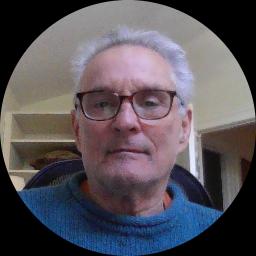
Thomas Dukes is a Licensed Mental Health Counselor (LMHC) with 28 years of experience. He trained and worked in a range of mental health and substance use settings before moving into private practice. His work has included crisis stabilization, residential treatment, and services linked to employee assistance and sober living programs.
Born and raised in Brooklyn, New York, he gained early exposure to diverse cultures. That breadth of experience showed up in his first clinical work in 1996 at a dual diagnosis treatment center. He began graduate study in 1998 while working full time across different facilities and earned his license in 2000.
After early roles in psychiatric and substance use settings, he developed a private practice and later provided services to treatment programs and sober houses. He spent a decade as a clinical supervisor at a behavioral health facility in Mill Spring, North Carolina, through 2020.
His practice history includes work with stress, anxiety, addictions, relationship concerns, grief and depression. He also lists support for LGBT concerns, trauma and abuse, intimacy-related issues, sleeping problems, anger, self-esteem, career questions, bipolar disorder, ADHD and coping with life changes.
He lives in North Carolina and holds an active Florida LMHC license. He describes himself as approachable and experienced with a varied patient demographic. Currently semi-retired, he continues to offer guidance and direction to people seeking help.
Background and approach: Thomas draws on nearly three decades of hands-on clinical experience in hospitals, treatment centers and private practice. Sessions focus on clear, practical conversation about current problems. He works with people to identify immediate coping strategies and longer-term steps for relationships, addiction recovery, mood concerns, and issues around intimacy and trust. He also supports career-related stress and the effects of trauma or grief. Goals, progress and next steps are discussed together so plans reflect the person’s circumstances and priorities.
How therapeutic methods and online work come together
Thomas lists use of evidence-based therapeutic techniques drawn from many years in clinical and residential settings. One common approach focuses on practical coping skills for anxiety and stress, teaching straightforward strategies to manage symptoms and daily demands. Another approach used in his work addresses addictions and relapse prevention by identifying triggers, building routines, and strengthening supports to reduce risk and maintain recovery.Finding the right approach is something to do together. He will discuss goals, past treatments, and personal preferences before recommending steps. That collaborative process helps shape whether short-term skill work or a longer course of sessions makes more sense for intimacy, relationship, or mood concerns.
Confirm which session formats are currently offered before booking, as the profile does not list specific options. Online therapy can make it easier to fit sessions into a busy week, reduce travel time, and allow for shorter check-ins when needed. Phone sessions can work when bandwidth or video is difficult, and video sessions support face-to-face conversation when preferred. Talk through scheduling and format preferences when you set up the first appointment so sessions match daily life and goals.
Frequently asked questions
What kinds of concerns does he help with?
He works with stress, anxiety, addictions, relationship and intimacy-related issues, along with grief, depression and trauma.
How would you describe his therapeutic style?
He focuses on practical conversation and clear steps. Sessions emphasize coping strategies and planning next actions.
How much clinical experience does he have?
He has 28 years of experience in a range of mental health and substance use settings, including crisis and residential work.
What credentials and region are listed for this clinician?
He is a Florida LMHC and is based in Florida while residing in North Carolina.
Are sessions available in other languages or internationally?
Sessions are offered in English and he accepts international clients.
What session formats are provided?
The original profile does not list specific session formats; please confirm current session options before booking.
How is cost handled for sessions?
Cost varies with location and sessions use a subscription that can be canceled at any time.
What are the steps to begin working together?
Select the See online therapy options button, complete a short matching questionnaire, and schedule a first session.