- Person-centred approach
- Depression and anxiety
- Family and grief
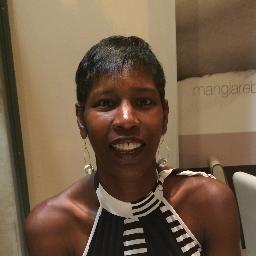
About Sharon
Sharon Brooks-Esprit is a BACP counsellor in the United Kingdom with 15 years of post-qualification experience. She works with adults on concerns such as stress, anxiety, depression, grief, relationship and intimacy-related issues, and coping with life changes. Sharon also addresses parenting, career matters, anger, self-esteem and complex situations like bipolar conditions and trauma and abuse.
She uses a person-centred approach in sessions. That means she prioritises the client's perspective and helps people find their own ways forward rather than telling them what to do. Sharon draws on core client-centred ideas in her work and applies practical techniques where they fit the person's needs.
Her background includes long experience in mental health settings and with charities. She has worked in roles across community and in-patient services and has experience in educational settings. This range means she is familiar with a variety of life and relationship stresses people bring to therapy.
Sharon lists additional focus areas including codependency, divorce and separation, fatherhood issues, hospice and end-of-life counselling, multicultural concerns, polyamory and prejudice and discrimination. She also notes work with family problems and grief related difficulties.
She holds the BACP credential and ongoing professional development is part of her practice. To begin work she asks people to use the online matching and booking process so they can schedule a first session after completing a short questionnaire.
How client-centred work translates to online sessions
Client-Centred Therapy places the person and their perspective at the heart of sessions. It focuses on listening, reflecting and supporting someone to make their own decisions. This approach is well suited to relationship concerns, intimacy-related issues and emotional struggles where a careful, non-directive style helps someone clarify what matters to them.Sharon may also draw on straightforward, skills-based techniques when they support the client-centred work. These simple techniques can help with practical problems like managing anxiety, handling grief or coping with life changes by offering tools to use between sessions.
Finding the right approach is part of the work together. The therapist will discuss what feels helpful and adapt methods based on the client's needs, goals and preferences. This is a collaborative process and changes can be made as understanding grows.
Session formats are not specified in the biography, so confirm current options before booking. Online work can make it easier to fit sessions into a busy life - for example by removing travel time, allowing shorter check-ins between commitments, or enabling someone to join when they cannot attend in person. Registered or accredited professionals can use online sessions to maintain continuity of care while focusing on practical steps and conversational therapy.
Frequently asked questions
What kinds of issues does she help with?
She helps people with stress, anxiety, depression, grief, relationship and intimacy-related issues, plus parenting, career concerns and coping with life changes.
What is her therapeutic style?
Her work is based on Client-Centred Therapy, which focuses on the client's perspective and personal discovery. She may also use brief techniques from other approaches when relevant.
How much experience does she have?
She has 15 years of post-qualification experience across mental health services, charities and educational settings.
What credential and location should I expect?
She holds BACP and practises in the United Kingdom.
Which languages are available for sessions?
Sessions are offered in English.
Can international clients work with her?
She does not accept international clients at this time.
How are sessions paid for?
Cost varies with location; sessions use a subscription model that can be cancelled at any time.
How do I start a first session?
Use the See online therapy options button, complete the short matching questionnaire and then schedule your first session.