- EMDR for trauma
- Emotionally-Focused Therapy
- Gottman communication work
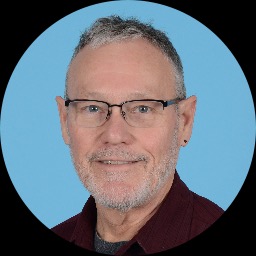
About Michael
Michael Jenkins is a Licensed Marriage and Family Therapist (LMFT) practicing with 25 years of experience. He works in Virginia and brings a long history of supporting people with stress, anxiety, relationship struggles, trauma and abuse, grief, and intimacy-related issues.
He focuses on helping people talk through painful events and current relationship strains. He uses practical conversation and listening to help clients name what is happening and what they want to change. He also offers EMDR for people who ask about addressing major traumatic events or developmental trauma from childhood.
Michael often combines emotionally focused work with skill-based tools. He draws on Emotionally-Focused Therapy to look at attachment and patterns between partners. He uses the Gottman Method ideas to address communication problems and repeated conflicts. He also brings mindfulness exercises to reduce reactivity and manage stress.
Sessions typically begin by clarifying immediate concerns and short-term goals. He helps people practice different ways of talking and relating, and then checks what is working. For trauma work he may introduce EMDR when it fits the client’s goals and readiness.
His additional interests include abandonment issues, forgiveness, divorce and separation, life purpose, veteran and armed forces concerns, and post-traumatic stress. He speaks English and works with adults seeking help for these kinds of challenges.
Approaches used in remote sessions and what they do
Client-Centered Therapy focuses on listening and reflection to help people clarify feelings and goals. It is useful when someone needs a space to name concerns and decide on next steps. Emotionally-Focused Therapy (EFT) addresses attachment patterns and how emotions shape relationship interactions; it is often used for connection and communication problems. Eye Movement Desensitization and Reprocessing (EMDR) is a trauma-focused method that helps process disturbing memories and reduce their emotional intensity when a client and therapist agree it fits the goals.Finding the right approach is part of the work. The therapist will discuss options and help decide which methods match a person’s needs, goals, and preferences. That decision is made together and can change over time as progress is reviewed.
Session formats are not specified in the biography, so confirm current session options before booking. Many people find remote sessions helpful because they fit into a lunch break, remove travel time, or allow shorter check-ins when needed. Talk with the therapist about how to schedule sessions that fit your week and what approach you want to start with.
Frequently asked questions
What concerns does he address?
He works with stress, anxiety, relationship challenges, trauma and abuse, grief, intimacy-related issues, anger, self esteem, and depression.
What is his therapeutic style?
He uses a client-centered approach with emotionally focused work and skill-building. Sessions include listening, reflection, and practical communication exercises.
How much clinical experience does he have?
He has 25 years of professional experience in mental health practice.
What are his credentials and where is he based?
He is an LMFT licensed in Tennessee and Virginia and practices in Virginia.
Which languages are supported?
Sessions are offered in English.
Does he work with international clients?
He does not accept international clients at this time.
How are sessions priced?
Cost varies with location; sessions use a subscription that can be canceled at any time.
How do I begin working with him?
Select the See online therapy options button, complete a short matching questionnaire, and schedule a first session.