- Relationship strain
- Intimacy issues
- CBT and EFT methods
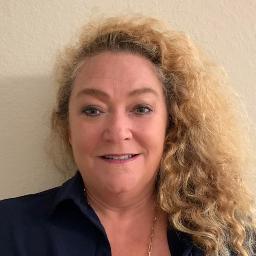
About Margaret
Margaret "Maggie" Nash is a Licensed Clinical Social Worker (LCSW) in Florida with 24 years of private practice experience. She works with adults on problems such as stress, anxiety, depression, relationship strain, grief, and intimacy-related issues. Maggie also addresses addictions, trauma and abuse, eating and sleeping concerns, and challenges like ADHD and compassion fatigue.
Her approach is straightforward and practical. She uses humor as a therapeutic tool and weaves it into sessions when appropriate to aid grieving, recovery, and problem solving. Sessions focus on clear steps people can take to reduce distress and improve day-to-day functioning.
Maggie draws on several evidence-informed methods, including Client-Centered Therapy, Cognitive Behavioral Therapy (CBT), Dialectical Behavior Therapy (DBT), Emotionally-Focused Therapy (EFT), and Motivational Interviewing. These approaches guide conversations about feelings, behavior patterns, and relationship dynamics.
She often helps people who are hard on themselves and struggle to accept change. Common topics include jealousy, self-esteem, coping with life transitions, and the emotional effects of sexual assault and abuse. Maggie also works with people facing personality disorder traits, self-harm concerns, bipolar mood challenges, and parenting strain.
Clients can expect a persistent, practical clinician who clarifies problems and suggests measurable steps. Maggie offers a direct style that balances realism with moments of levity to keep hard work manageable and focused on results.
Approaches used in remote sessions
Client-Centered Therapy focuses on listening closely and reflecting what matters to the client. It helps people feel heard and supports work on self-acceptance and relationship concerns.Cognitive Behavioral Therapy (CBT) looks at how thoughts and behaviors affect mood. It involves practical exercises and skills to reduce anxiety, depression, and patterns that harm relationships.
Dialectical Behavior Therapy (DBT) teaches skills for emotion regulation, distress tolerance, and improved communication. It can be useful for intense emotions, mood swings, and repeated relationship conflicts.
Choosing which approach to use is part of the work. The therapist will discuss goals, symptoms, and preferences and will collaborate with the client to find the best fit. That plan can change as needs evolve.
Confirm current session options before booking so you know what formats are offered. Online work can make it easier to fit sessions into a busy week, allow shorter check-ins when needed, and reduce travel time. Therapists and licensed professionals use these methods in remote sessions to help people address intimacy concerns, relationship strain, grief, and mood problems without promising a particular outcome.
Frequently asked questions
What kinds of concerns does she address?
She works with stress, anxiety, depression, relationship and intimacy-related issues, addictions, trauma and abuse, grief, and related topics.
What is her general therapy style?
She uses a practical, direct approach and often brings humor into sessions to aid grieving and problem solving.
How much clinical experience does she have?
She has 24 years of private practice experience as a clinician.
What are her credentials and where is she located?
She is a Licensed Clinical Social Worker (LCSW) licensed in Florida and practices from Florida.
Which languages are sessions offered in?
Sessions are offered in English.
Does she work with clients outside the United States?
She accepts international clients.
What is the cost structure for sessions?
Cost varies with location; sessions use a subscription that can be canceled at any time.
How do I begin working with her?
Select the See online therapy options button, complete a short matching questionnaire, and schedule a first session.