- Addictions support
- Anger and stress
- Relationship issues
About John
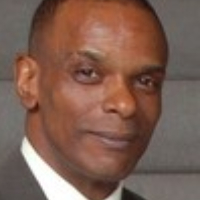
John Ward is a Licensed Clinical Social Worker (LCSW) with 30 years of experience in clinical social work and addictions counseling. He practices in Connecticut and works with adults facing issues such as addiction, anxiety, depression, stress, and intimacy-related concerns. He also addresses relationship and communication problems, grief, trauma and abuse, and fatherhood issues.
Ward draws on a mix of practical techniques rather than a single method. He uses cognitive-behavioral ideas to help people spot unhelpful thinking and try new behaviors. He also uses client-centered principles to listen and reflect what matters most to each person.
His work often focuses on building on a person’s existing strengths. That means identifying what already works in someone’s life and using those parts to tackle hard problems. Sessions can include straightforward feedback, skills practice, and problem-solving aimed at daily life challenges.
People come to him for help with substance use and drug and alcohol addiction, for managing anger or mood swings, and for coping with life changes like career shifts or loss. He also supports work on intimacy, sexual health concerns, and issues tied to self-esteem and men’s roles.
Across his practice he emphasizes clear, practical steps and a collaborative tone. Prospective clients who want to begin are asked to follow the site’s sign-up flow to complete a short questionnaire and schedule a first session.
How his approaches translate to online work
Acceptance and Commitment Therapy (ACT) focuses on clarifying values and taking committed steps toward them while accepting difficult thoughts and feelings. It can help with anxiety, depression, and motivation problems. Cognitive Behavioral Therapy (CBT) breaks down how thoughts, feelings, and behaviors link together and teaches practical exercises to shift patterns that keep problems going. It is often used for anxiety, depression, and stress management. Emotionally-Focused Therapy (EFT) helps people notice and name emotions and use that process to change how they relate to close others; it is useful when emotions get in the way of connection and communication.Finding the right approach is part of the work. He will discuss these methods with each person and decide together which fits their needs, goals, and preferences. That process is collaborative and may combine techniques from different approaches as progress unfolds.
Confirm the specific online session options before booking, as formats are not listed here. Online work can make it easier to fit therapy into a busy week, allow shorter check-ins when needed, and avoid travel time. Some approaches lend themselves to exercises and skills practice that work well via video or phone, while others benefit from longer sessions to process emotions. Ask about available session formats when scheduling to match practical needs and goals.
Frequently asked questions
What kinds of problems does he help with?
He works with addictions, anxiety, depression, stress, relationship and intimacy-related issues, trauma, grief, parenting and career concerns.
What is his style in sessions?
He uses a strengths-focused, interactive style with practical feedback and skills practice to address everyday challenges.
How long has he been practicing?
He has 30 years of combined experience in clinical social work and addictions counseling.
What are his credentials and where is he based?
He is an LCSW based in Connecticut.
Does he work in languages other than English?
Sessions are offered in English.
Can international clients work with him?
He does not accept international clients.
How are sessions scheduled and paid for?
Cost varies with location; sessions use a subscription that can be canceled at any time.
What steps start the process of working together?
Select the See online therapy options button, complete a short matching questionnaire, and schedule a first session.