- Client-centered work
- Cognitive behavioral tools
- Motivational interviewing
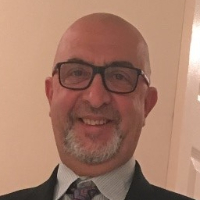
About Igor
Dr. Igor Belokon is a Florida psychologist (FL Psychologist PY7256) with 23 years of experience. He works with adults on concerns such as stress, anxiety, addiction, relationship strain, grief, mood disorders, and intimacy-related issues. He provides sessions in English and Russian and accepts international clients.
He uses a collaborative, straightforward style in sessions. Conversations focus on what is happening now, what the person wants to change, and concrete steps to try between meetings. Sessions can include talking through patterns, testing small behavior changes, and reflecting on deeper feelings that affect relationships and daily life.
Dr. Belokon draws on client-centered methods to keep the session focused on the person's priorities. He also uses cognitive behavioral techniques to identify unhelpful thoughts and try different responses. Motivational interviewing helps with readiness and commitment when people face addiction or behavior change.
His background includes work as a psychologist, neuropsychologist, and life coach. That mix informs practical assessment of thinking, mood, and functioning after injury or during mood disorders. He has experience with traumatic brain injury and with drug and alcohol addiction as part of his practice.
Sessions follow a goal-oriented approach. Early meetings typically map current concerns, identify short-term goals, and agree on initial steps. Over time the focus may shift to patterns that keep problems in place and to building routines that support better functioning and relationships.
Approaches used and how online sessions work
Client-centered therapy focuses on the person's concerns and priorities. It keeps the conversation grounded in what the person wants and encourages honest feedback about what helps. This approach supports issues like relationship strain, self-esteem, and coping with life changes.Cognitive behavioral therapy (CBT) looks at the links between thoughts, feelings, and actions. It uses clear techniques to test and change unhelpful thoughts and behaviors, which can help with anxiety, depression, and some intimacy-related concerns.
Motivational interviewing helps people find their own reasons to change and build commitment. It is often used when addressing addictions or making major behavior changes.
Choosing the right approach is part of the work. The therapist will discuss goals, preferences, and practical needs, and will adjust methods as the collaboration continues. Clients and the therapist decide together what to try and when to change direction.
The biography does not list specific session formats, so confirm available options before booking. Online work can make it easier to fit sessions into a busy week, allow shorter check-ins when needed, and remove travel time. It also lets people join from different locations, which can help those who live outside the therapist's state or country.
Frequently asked questions
What kinds of concerns does he help with?
He helps people with stress, anxiety, depression, addiction, relationship strain, grief, intimacy-related issues, mood disorders, and related concerns.
What is his therapeutic style?
He works in a collaborative, practical way that focuses on goals and steps you can try between sessions.
How much clinical experience does he have?
He has 23 years of experience as a psychologist, neuropsychologist, and life coach.
What are his credentials and where is he based?
He is a Florida psychologist, listed as FL Psychologist PY7256, and is based in Florida.
Which languages are sessions offered in?
Sessions are offered in English and Russian, and he accepts international clients.
What session formats are available?
The biography does not specify session formats; please confirm current session options before booking.
How does payment and cost work?
Cost varies with location; sessions use a subscription that can be canceled at any time.
How do I begin working with him?
Select the See online therapy options button, complete a short matching questionnaire, and schedule a first session.