- CBT methods
- Trauma-focused care
- Multicultural expertise
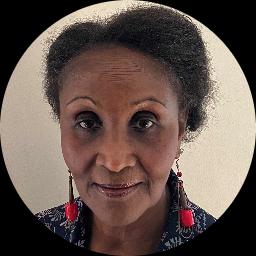
About Eunice
Dr. Eunice Ngumba-Gatabaki is a North Carolina psychologist (NC Psychologist 2386) with 22 years of professional experience. She works with adults facing stress, anxiety, relationship strain, trauma and abuse, grief, and other concerns including intimacy-related issues. She speaks English, Kikuyu, and Swahili and lists veteran and multicultural concerns among her focus areas.
Her work concentrates on clear, practical conversation. She uses approaches such as Cognitive Behavioral Therapy and Solution-Focused Therapy to help people notice patterns and try small changes. Motivational Interviewing is part of how she supports clients who are ready to change behaviors. Trauma-Focused Therapy informs work with people who have experienced abuse or other harms.
Sessions aim to identify what is causing distress now and what can be tried next. She discusses goals, tracks progress, and adjusts steps based on what the person reports. This makes sessions more about doable actions than long lectures.
Dr. Ngumba-Gatabaki also attends to cultural context and issues related to military life when relevant. She says these factors often shape how people cope and what support fits best. Language options can help when cultural expressions matter.
To begin, prospective clients follow the site's matching process and schedule an initial appointment. The clinician emphasizes collaboration and practical planning from the first meeting.
How her approaches translate to online work
Dr. Ngumba-Gatabaki commonly uses Cognitive Behavioral Therapy and Trauma-Focused Therapy in her practice. CBT helps people notice unhelpful thoughts and try specific behavior changes to reduce anxiety, depression, or relationship patterns. Trauma-Focused Therapy concentrates on processing past harms and building skills to manage triggers and intense emotions.Choosing an approach is a collaborative process. She will review the client's concerns, goals, and preferences and suggest which methods to try first. The plan can be adjusted based on what the client experiences and reports over several sessions.
Practical benefits of online work include fitting sessions into a busy schedule and reducing travel time. Clients should confirm current session options before booking, since specific formats are set through the site's scheduling tools. Many people find that shorter check-ins, weekday sessions, or not needing to commute makes maintaining regular work on relationship or intimacy concerns easier.
Frequently asked questions
What kinds of problems does she address?
She works with stress, anxiety, relationship strain, trauma and abuse, grief, depression, addictions, LGBT concerns, family and intimacy-related issues, and related areas.
What is her therapeutic style?
She uses practical, goal-oriented methods such as Cognitive Behavioral Therapy, Solution-Focused Therapy, Motivational Interviewing, and Trauma-Focused Therapy to identify patterns and try manageable changes.
How much experience does she have?
She has 22 years of professional practice in psychological work.
What are her credentials and where does she practice?
She is listed as NC Psychologist 2386 and practices in North Carolina.
Which languages can sessions be held in?
Sessions are offered in English, Kikuyu, and Swahili.
Does she work with clients outside the country?
International clients are not currently accepted.
How does payment work?
Cost varies with location and sessions use a subscription that can be canceled at any time.
What are the steps to begin?
Select the See online therapy options button, complete a short matching questionnaire, and schedule a first session.