- Attachment focus
- CBT strategies
- Emotionally-focused work
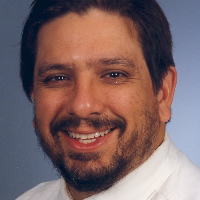
About David
Dr. David Mathews is a Licensed Independent Clinical Social Worker (LICSW) practicing in Minnesota with 35 years of experience. He works with adults facing relationship and intimacy concerns, trauma and abuse, parenting difficulties, and mood or substance-related struggles. He also helps people coping with grief, anger, low self-esteem, and stress or anxiety.
He uses straightforward conversation to understand what bringes someone in. Sessions focus on patterns in relationships, how attachment shows up, and practical strategies to manage intense emotions. He draws on cognitive-behavioral ideas to address thinking and behavior that keep problems going. Emotionally-focused work guides attention to closeness, connection, and responses between partners or within relationships.
His background spans many clinical settings over several decades, giving him experience with survivors of interpersonal harm and people who have used harmful behaviors. He has worked with issues that can follow bullying, family conflict, or sexual violence, and with the stress that arises from those experiences.
In practice he emphasizes a respectful, interactive relationship. He avoids stigmatizing labels and aims to talk plainly about goals and steps in therapy. Treatment plans are based on what a person wants to change and on observable patterns in their relationships.
If someone decides to begin, he asks a few straightforward questions to clarify goals and then shapes sessions around progress and practical next steps. Sessions include talking, skill practice, and checking how changes are working in daily life.
Therapeutic approaches and online sessions
Attachment-Based Therapy looks at how early relationship patterns shape current closeness and emotional responses. It helps people understand trust, distance, and patterns that repeat in adult relationships. Cognitive Behavioral Therapy (CBT) focuses on the link between thoughts, feelings, and actions. It offers concrete skills to change unhelpful thinking and behaviors that maintain anxiety, depression, or conflict. Emotionally-Focused Therapy (EFT) centers on feelings and interaction patterns, helping people notice how emotions drive responses in close relationships and guiding steps to shift those patterns.Finding the right approach is part of the work. He will collaborate with the client to decide which methods fit their needs, goals, and preferences. That may mean combining elements from different approaches and adjusting direction as progress is observed.
The biography does not list specific session formats, so confirm current online options before booking. In general, online sessions can make it easier to arrange appointments around work or family responsibilities, allow shorter check-ins when needed, and reduce travel time. Licensed professionals can adapt CBT and attachment-focused exercises for use in remote sessions so practical skills and relational work continue between meetings.
Frequently asked questions
What kinds of concerns does he address?
He works with relationship and intimacy-related issues, trauma and abuse, parenting problems, stress and anxiety, addictions, grief, anger, self-esteem and depression.
What is his therapeutic style like?
He uses an interactive, professional approach that avoids stigmatizing labels and focuses on respectful dialogue and practical steps.
How much experience does he have?
He has 35 years of clinical experience working in Minnesota settings with a wide range of concerns.
What are his credentials and location?
He is a Licensed Independent Clinical Social Worker (MN LICSW) practicing in Minnesota.
Which languages are supported?
Sessions are offered in English and international clients are not accepted.
What session formats are offered?
The original biography does not specify session formats; confirm the current online or in-person options before booking.
How is cost handled?
Cost varies with location and sessions use a subscription that can be canceled at any time.
How do I begin working with him?
Select the See online therapy options button, complete a short matching questionnaire, and schedule a first session.