- Addictions
- Communication
- Self-love work
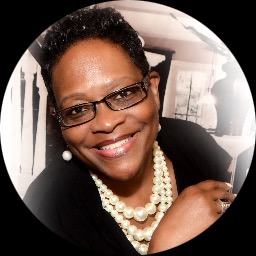
About Rochelle
Rochelle Toyer is a Licensed Professional Counselor (LPC) practicing in the District of Columbia with 29 years of experience. She supports adults facing relationship strains, intimacy concerns, addictions, parenting stresses, and anger. Sessions focus on concrete steps clients can take to understand their patterns and make changes.
Rochelle works with people who want clearer communication and more satisfying connections. She helps clients name how guilt, shame, isolation, or control issues show up in daily life. Conversations often include practical skills for managing strong emotions and repairing damaged trust.
Her background includes long experience in counseling adults through life transitions and relational pain. She places attention on inner beliefs about self-worth and on rebuilding self-love after setbacks. That can mean looking at past wounds and learning different ways to respond now.
Rochelle describes her work as culturally aware and attentive to spiritual perspectives when those matter to a person. She aims to respect each client’s identity and life context while focusing on what helps them move forward.
In sessions she will talk through patterns, practice communication exercises, and set small goals to try between meetings. People often come with worries about intimacy, parenting, or a repeated cycle of anger and regret, and Rochelle provides steady, practical support to address those concerns.
Approaches and remote care
Rochelle works from evidence-based therapeutic techniques that focus on behavior and relationships. One common strand is skills-based work that teaches communication, emotion regulation, and practical steps to reduce conflict. This helps with anger, control issues, and repeated relational patterns.She also uses approaches that examine personal history and beliefs to address intimacy and self-worth. That work looks at past wounds and how they shape present behavior, helping people rebuild self-love and repair trust after breaches.
Finding the right approach is collaborative. Rochelle will discuss different methods and adjust the work to match a person’s goals, values, and pace. Together they decide which techniques to try and how to measure progress.
The original biography does not list specific session formats, so confirm the available options before booking. Online sessions can make it easier to fit therapy into a busy week, allow shorter check-ins when needed, and remove travel time. Licensed professionals often use these practical advantages to keep therapy consistent and manageable while focusing on the issues a person brings.
Frequently asked questions
Which concerns does she address?
She focuses on addictions, relationship strain, intimacy-related issues, parenting, and anger. Additional areas include communication problems, control issues, forgiveness, guilt and shame, isolation, life purpose, and self-love.
What is her therapeutic style?
She uses evidence-based therapeutic techniques and a practical approach. Sessions emphasize understanding patterns, practicing new skills, and setting small goals between meetings.
How much experience does she have?
She has 29 years of experience working in counseling contexts. That experience spans relationship and individual concerns over many years.
What are her credentials and location?
She is a Licensed Professional Counselor (LPC) practicing in the District of Columbia. The LPC credential is shown as DC LPC in her profile.
Does she offer sessions in other languages or internationally?
Sessions are offered in English. She is not currently accepting international clients.
What session formats are available?
The original biography does not list specific session formats. Please confirm current session options before booking.
How are sessions priced?
Cost varies with location and sessions use a subscription model that can be canceled at any time. Exact pricing depends on the plan chosen.
How do I begin working with her?
Start by selecting the See online therapy options button, complete a short matching questionnaire, and schedule a first session. That process sets up the initial appointment.