- CBT methods
- Mindfulness practice
- Trauma-informed care
About Martin
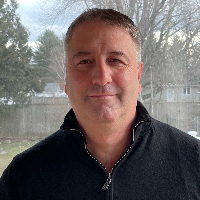
Martin Kane is a Licensed Mental Health Counselor (LMHC) in Massachusetts with 21 years of experience. He works with adults facing stress, anxiety, depression, relationship strain, trauma and abuse, grief, anger, sleep problems, intimacy-related issues, parenting challenges, career concerns, bipolar disorder, ADHD, and coping with life changes.
Martin takes a straightforward, person-centered approach. He adapts his style to the individual rather than using a single method for everyone. Sessions focus on clear goals, practical steps, and learning skills that help with day-to-day problems. He uses techniques from Cognitive Behavioral Therapy, Dialectical Behavior Therapy, mindfulness, trauma-focused work, and client-centered practice according to what each person needs.
Clients can expect direct conversation about thoughts, behaviors, and patterns that keep problems going. He will suggest strategies to reduce anxiety, manage mood swings, and improve communication. When trauma is involved he uses trauma-focused methods to address symptoms and safety concerns in manageable steps.
Martin draws on experience from community and inpatient settings. That background informs his attention to both crisis response and long-term coping. He aims to help people build skills for regulating emotions, improving sleep, and repairing closeness where intimacy has become difficult.
He asks prospective clients to use the site's matching questionnaire to schedule a first session. Sessions operate on a subscription model that can be canceled at any time, and costs vary with location.
How Martin uses his methods in online sessions
Martin often combines client-centered work with Cognitive Behavioral Therapy and trauma-focused methods. Client-centered work means conversations that prioritize the persons perspective and goals. Cognitive Behavioral Therapy looks at the links between thoughts, feelings, and behavior and uses practical exercises to change unhelpful patterns. Trauma-focused work addresses trauma symptoms through structured steps that aim to reduce distress and improve daily functioning.Figuring out the right approach is part of the process. He will talk with each person about goals, preferences, and what feels most useful. Together they decide whether to emphasize skills training, mindfulness practice, behavior change work, or trauma-focused steps so the plan fits the clients needs.
The therapist offers online sessions through the site's appointment process; confirm exact session formats before booking. Online work can make it easier to fit appointments into a busy week, allow shorter check-ins when needed, and remove travel time. It also permits using exercises and worksheets in-session, practicing skills between meetings, and keeping continuity of care when schedules change.
Frequently asked questions
What concerns does he help with?
He works with stress, anxiety, depression, relationship strain, trauma and abuse, grief, anger, sleeping problems, intimacy-related issues, parenting, career matters, bipolar disorder, ADHD, and coping with life changes.
What is his therapeutic style?
He prefers a person-centered style and adapts methods to the situation. He focuses on practical skills and problem solving rather than a single fixed method.
How much experience does he have?
He has 21 years of experience working in community and inpatient settings. That work includes supporting people after trauma and during crises.
What are his credentials and where is he based?
He is an LMHC (Licensed Mental Health Counselor) with practice in Massachusetts.
Which languages are supported?
Sessions are offered in English only.
Does he work with international clients?
He does not accept international clients at this time.
How are sessions scheduled and what does therapy cost?
Sessions use a subscription that can be canceled at any time and costs vary with location. Exact pricing is provided during sign up.
How do I start a first session?
Select the See online therapy options button, complete the short matching questionnaire, and schedule a first session through the site.