- Attachment work
- CBT techniques
- Motivational interviewing
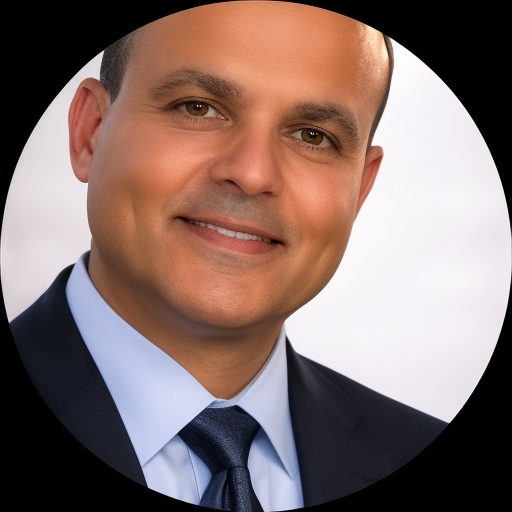
About Harout
Harout "Harry" Ohannessian is an LMFT licensed in California with 11 years of clinical experience. He works with adults facing stress, anxiety, relationship strain, trauma and abuse, depression, grief, self-esteem concerns, and intimacy-related issues. Harry also supports people dealing with eating concerns, anger, bipolar mood challenges, coping with life changes, compassion fatigue, paranoia, personality disorder traits, and effects of sexual assault and abuse.
Harry uses straightforward talk and reflective listening to help people understand what they are feeling. Sessions focus on noticing patterns in relationships and in thinking. He aims to help clients find steadier ways of relating to themselves and others through practical skills and perspective shifts.
His background includes a Master of Arts in Clinical Psychology from Antioch University Los Angeles and a Bachelor of Arts in Sociology from California State University, Los Angeles. He holds the LMFT credential and has practiced since 2014. That experience includes working with individuals who bring trauma, life stress, and relationship ruptures into therapy.
In session Harry often draws on attachment-based ideas to look at how early relationships shape current expectations. He also uses techniques from cognitive behavioral therapy and dialectical behavior therapy to address intense emotions and unhelpful thinking. Motivational interviewing and client-centered methods are available when people need support clarifying goals and building motivation.
Harry offers therapy in English, Arabic, and Armenian. International clients are not accepted. Prospective clients should confirm session formats before booking by following the clinic's sign-up steps.
Approaches used in online sessions
Harry commonly draws on attachment-based ideas that explore how early relationship patterns shape present behavior and expectations. This approach helps when intimacy, trust after a breach, or repeated relationship conflicts are present.He also uses client-centered methods that prioritize listening and reflecting to help people clarify their goals. Cognitive behavioral therapy (CBT) is used to identify unhelpful thoughts and try practical experiments to reduce anxiety and low mood.
Finding the right approach is a collaborative process. The therapist will work with each person to match methods to their goals, preferences, and the issues they bring. That may mean combining attachment work with CBT skills or using motivational interviewing when someone needs help building momentum for change.
Session formats should be confirmed before booking since the biography does not list specific options. Online sessions can make it easier to fit therapy into a busy life - for example shorter check-ins during a work break, avoiding travel time, or choosing audio-only if bandwidth is limited. Licensed professionals can adapt pacing and technique to work well in remote settings while focusing on emotional safety and practical progress.
Frequently asked questions
What kinds of concerns does he address?
He works with stress, anxiety, relationship problems, trauma and abuse, depression, grief, self-esteem, and intimacy-related issues among other concerns.
What is his general therapeutic style?
He uses a mix of reflective, exploratory conversation and skills-based techniques. That includes attachment-informed work alongside CBT and DBT strategies.
How much clinical experience does he have?
He has been practicing psychotherapy since 2014, which is 11 years of experience working with adult clients.
What credential does he hold and where does he practice?
He is an LMFT licensed in California and practices there.
Which languages are supported in sessions?
Sessions are offered in English, Arabic, and Armenian.
Are international clients accepted?
International clients are not currently accepted.
How are fees handled?
Cost varies with location and sessions are provided through a subscription model that can be canceled at any time.
How do I begin the process of working together?
Use the See online therapy options button, complete the short matching questionnaire, and then schedule an initial session.