- CBT approach
- Motivational Interviewing
- Trauma-focused care
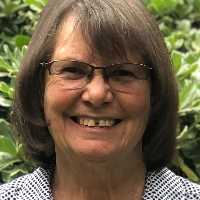
About Deborah
Deborah Mobley is a Licensed Mental Health Counselor (LMHC) in Florida with 40 years of clinical experience. She focuses on stress, anxiety, depression, addictions, trauma and abuse, relationship difficulties, grief, and intimacy-related issues among other concerns. She also addresses eating and sleeping problems, parenting challenges, anger, self-esteem, career questions, bipolar disorder, and coping with life changes.
Deborah emphasizes practical approaches that help people manage symptoms and make healthier choices. She commonly uses Cognitive Behavioral Therapy (CBT) and Trauma-Focused Therapy principles, alongside Motivational Interviewing when substance use or ambivalence about change is present. Sessions are conversational and goal-focused, with attention to specific skills and coping strategies.
Her background includes work with adults, children, and families, and experience supporting people after natural disasters and personal crises. That history informs how she responds to grief, post-traumatic stress, and compassion fatigue. She describes recovery support that helps people navigate anxiety, depression, and substance misuse while strengthening decision-making.
In sessions Deborah listens to each person’s experience and helps identify practical steps forward. She starts from where a person is and works toward the changes they want to make. Therapy emphasizes evidence-based methods and clear, achievable goals.
Before booking, confirm current session formats and scheduling details. To begin, clients use the site’s matching questionnaire and then schedule a first session.
Approaches used online and how they help
Deborah uses Cognitive Behavioral Therapy to help people identify unhelpful thought patterns and change behaviors that maintain anxiety, depression, or problematic habits. CBT focuses on practical skills and short-term exercises to reduce distress and improve daily functioning.She also uses Motivational Interviewing when someone is uncertain about change or is working through substance use concerns. This method helps people clarify their own reasons for change and build motivation at a manageable pace.
Trauma-Focused Therapy is used to address symptoms following traumatic events or prolonged stress. It combines careful discussion of the past with coping skills to reduce reactivity and improve day-to-day life.
Finding the right approach is part of the work. Deborah will collaborate with each person to decide which methods fit their goals, needs, and preferences. She adjusts plans based on progress and feedback so sessions stay focused and relevant.
Confirm available session formats before booking, as the biography does not list specific online options. Online sessions can make it easier to fit therapy into a busy schedule, allow shorter check-ins when needed, and reduce travel time. Licensed professionals use these formats to deliver the same evidence-informed approaches they use in person, while keeping practical daily life in mind.
Frequently asked questions
What concerns does she address?
She works with stress, anxiety, depression, addictions, trauma and abuse, relationship and intimacy-related issues, grief, and related problems listed in her profile.
What style of therapy does she use?
Her work is grounded in Cognitive Behavioral Therapy, Trauma-Focused Therapy, and Motivational Interviewing, with a focus on practical skills and decision-making.
How much clinical experience does she have?
She has 40 years of experience providing counseling and recovery support to people facing trauma, loss, and substance misuse.
What are her credentials and location?
She is a Florida Licensed Mental Health Counselor (LMHC) and practices in Florida.
Which languages are supported?
Sessions are offered in English only.
Does she work with international clients?
She does not accept international clients at this time.
How are fees and payments handled?
Cost varies with location; sessions use a subscription that can be canceled at any time.
How do I get started?
Select the See online therapy options button, complete the short matching questionnaire, and schedule a first session.