- Intimacy-related issues
- CBT and mindfulness
- Stress and anxiety
About Daryl
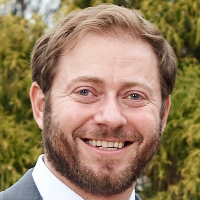
Daryl Flink is an LCSW with four years of clinical experience practicing in Virginia. He helps people who are dealing with stress, anxiety, depression, relationship strain, intimacy-related issues, and other life changes. He also works with concerns like sleep problems, grief, career stress, ADHD, and compassion fatigue.
He writes from a background that includes work in both inpatient and outpatient mental health settings and experience in mental health research and advocacy. Daryl uses straightforward, practical approaches in sessions. He focuses on building coping skills, improving social functioning, and establishing healthier boundaries.
Sessions are collaborative and based on approaches such as Client-Centered Therapy, Cognitive Behavioral Therapy, Mindfulness Therapy, Motivational Interviewing, and Solution-Focused Therapy. He aims to match strategies to each person’s needs and daily life. That can mean setting short-term goals, practicing skills between sessions, or adjusting techniques as problems change.
People can expect talk that stays concrete and goal-aware. Daryl emphasizes developing positive self-talk and coping mechanisms that can be used outside of sessions. He frames change as a series of small, practical steps rather than a single event.
He maintains clinical work in Virginia and provides therapy in English. Before booking, readers should confirm current session options and formats to make sure they fit personal circumstances and scheduling needs.
How his approaches translate to online work
Daryl draws on Cognitive Behavioral Therapy and Client-Centered Therapy when working with people online. CBT focuses on identifying unhelpful thoughts and testing new behaviors, which can help with anxiety, mood, and sleep problems. Client-Centered Therapy emphasizes listening and reflecting to help people clarify what matters to them and set achievable goals.He also uses Mindfulness Therapy to teach simple attention and breathing practices that reduce reactivity and improve emotional regulation. These practices are brief and can be built into daily routines to support stress management and relationship interactions.
Finding the right approach is part of the therapy process. He works together with clients to try methods and adjust them based on needs, goals, and preferences. That collaborative process means techniques can be mixed or shifted as progress is made.
Session formats are not specified in his profile, so readers should confirm current online options before booking. In general, online work can make it easier to fit sessions around work and family commitments, allow shorter check-ins when needed, and reduce travel time. He will discuss practical scheduling and format choices when arranging the first appointment.
Frequently asked questions
What kinds of concerns does he help with?
Daryl works with stress, anxiety, depression, relationship strain, intimacy-related issues, grief, sleep problems, career and workplace concerns, and ADHD among other topics.
What is his therapeutic style?
He practices in a collaborative, practical manner using client-centered principles and task-focused techniques to build coping skills and communication tools.
How much clinical experience does he have?
He has four years of experience providing clinical services and has worked in both inpatient and outpatient mental health settings earlier in his career.
What are his credentials and where is he based?
He holds the credential LCSW and practices in Virginia.
Which languages are sessions offered in?
Sessions are offered in English.
Does he work with international clients?
International clients are not currently accepted.
How does payment work and what does it cost?
Cost varies with location and sessions use a subscription model that can be canceled at any time.
How do I begin a first session?
To start, select the See online therapy options button, complete a short matching questionnaire, and schedule the first session.