- Relationship concerns
- Addictions support
- CBT and solution-focused
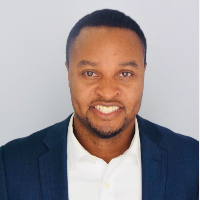
About Charlton
Charlton Rhodes is a Licensed Clinical Social Worker (LCSW) practicing in Georgia with five years of clinical experience. He works with people facing relationship strain, addiction concerns, trauma, anxiety, mood changes, and intimacy-related issues. Sessions focus on clear goals and practical steps rather than vague promises.
Charlton uses straightforward approaches to help people notice what is working and what is not. He draws on Cognitive Behavioral Therapy to identify unhelpful thought patterns, and Solution-Focused Therapy to map small, achievable changes. Motivational Interviewing helps when someone feels stuck about change or recovery.
In sessions he tends to set concrete objectives and track progress. Conversations include problem-solving, coping strategies, and skill practice for managing stress, anger, or relationship conflict. He also addresses parenting stress, work-related strain, and grief with the same practical orientation.
Charlton’s background includes a Master of Social Work from Florida Gulf Coast University and clinical work in substance use and relationship concerns. His listed approaches include Client-Centered Therapy and Trauma-Focused Therapy alongside CBT and solution-focused work.
People looking for help with intimacy concerns, addictions, mood changes, or day-to-day coping can expect a direct, goal-oriented way of working. Before booking, readers should confirm current session options and formats to make sure they match their needs.
How Charlton Uses Evidence-Informed Approaches Online
Charlton commonly draws on Cognitive Behavioral Therapy and Motivational Interviewing when working with people online. CBT looks at thought and behavior patterns and uses practical exercises to shift unhelpful thinking and reactions, which can help with anxiety, depression, and relationship issues. Motivational Interviewing focuses on a person’s own reasons for change and helps resolve mixed feelings about steps such as reducing substance use or addressing intimacy concerns.Finding the best way to work together is part of the early sessions. He will collaborate with each person to decide which approaches and techniques match their goals and preferences, adjusting methods as progress is tracked. This is a cooperative process that aims to fit treatment to what actually helps the client move forward.
Confirm the specific session formats before booking, since formats are not listed here. Online work can make it easier to fit therapy into a busy life by allowing shorter check-ins, reducing travel time, or removing the need to be on camera for every meeting. These practical elements can help people maintain consistency and apply strategies between sessions without promising any particular outcome.
Frequently asked questions
What concerns does he address?
He works with addiction, relationship strain, trauma, anxiety, depression, intimacy-related issues, grief, parenting stress, anger, self-esteem, and related topics.
What is his therapeutic style?
He uses a practical, goal-oriented style that includes Client-Centered Therapy, Cognitive Behavioral Therapy, Motivational Interviewing, Solution-Focused Therapy, and Trauma-Focused Therapy.
How much clinical experience does he have?
He has five years of clinical experience working in social work settings and with people facing substance use and relationship difficulties.
What credentials and location are listed?
He is an LCSW and CSW licensed in Georgia and holds a Master of Social Work from Florida Gulf Coast University.
Which languages are sessions offered in?
Sessions are offered in English only.
Are international clients accepted?
International clients are not accepted at this time.
How are sessions scheduled and what about cost?
Session cost varies with location and is provided through a subscription that can be canceled at any time; exact pricing depends on the reader's chosen plan.
How do I begin working with him?
Start by selecting the See online therapy options button, completing a short matching questionnaire, and scheduling a first session.