- Relationship concerns
- Cognitive Behavioral Therapy
- Faith integrated care
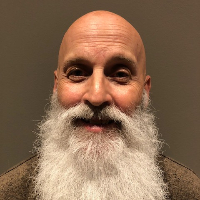
About Timothy
Timothy Klopfenstein is a Licensed Professional Counselor (LPC) in Missouri with 25 years of clinical experience. He works with people facing relationship strain, parenting pressures, low self-esteem, stress, anxiety, grief, intimacy-related issues, and depression. He has provided care in counseling offices and in pastoral counseling settings. For those who ask, he offers faith-based counseling.
Timothy uses a relational style in sessions. He focuses on building a constructive working relationship and talking through what is getting in the way of connection or wellbeing. He draws on Cognitive Behavioral Therapy to identify unhelpful thoughts and habits and to develop clearer, practical steps forward.
Sessions tend to include direct conversation about patterns, short exercises to test new ways of relating, and practical skills for handling strong emotions. When faith is important to a client, he can integrate those values into the work. He also offers premarital support using the SYMBIS assessment when that is requested.
With a long career across different settings, Timothy has experience moving between clinical and pastoral frameworks. That often means helping people translate insights from therapy into everyday routines and conversations. He encourages realistic, small changes that can reduce conflict and increase closeness.
People seeking help for intimacy concerns or recurring relationship problems can expect clear, goal-oriented sessions. He helps clients identify next steps, practice new behaviors, and notice what improves over time.
How CBT and relational work translate to online care
CBT focuses on identifying thoughts and behaviors that keep problems going. In a session this looks like naming unhelpful thoughts, testing them with small experiments, and practicing different responses to anxiety or conflict. This approach is useful for anxiety, depression, and clear behavior patterns that affect relationships.A relational approach centers on the way people interact with one another. Sessions often include guided conversation about communication habits, boundaries, and trust. That work helps when intimacy has been reduced by distance, breaches of trust, or desire differences.
Timothy treats the choice of methods as a collaborative process. He will talk with each person about goals and preferences and then suggest CBT tools or relational exercises that fit those goals. Together they decide what to try and how to measure progress.
The biography does not list specific online formats, so confirm session types before booking. Many people find therapy via remote sessions easier to fit into work and family schedules. Remote meetings can make shorter check-ins, quieter conversations, or off-camera options more practical when those choices help someone engage with the work.
Frequently asked questions
What concerns does he address?
He works with relationship issues, parenting stress, self-esteem problems, anxiety, depression, grief, and intimacy-related issues.
What is his general therapy style?
He uses a relational approach that focuses on practical conversation and problem solving. Cognitive Behavioral Therapy is one of the main methods he uses.
How much experience does he have?
He has 25 years of experience working in counseling offices and in pastoral counseling settings.
What are his credentials and where is he based?
He is a Licensed Professional Counselor (LPC) licensed in Missouri.
Which languages are supported?
Sessions are offered in English and he accepts international clients.
What session formats are available?
The original biography does not specify session formats; please confirm current session options before booking.
How does payment work?
Cost varies with location and sessions use a subscription that can be canceled at any time.
How do I begin working with him?
Select the See online therapy options button, complete the short matching questionnaire, and schedule a first session.