- Stress and anxiety
- CBT and DBT techniques
- Mindfulness practice
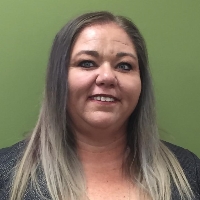
About Amy
Amy Coppinger is a Licensed Professional Counselor (LPC) and a Licensed Clinical Mental Health Counselor (LCMHC) practising in Arizona with 16 years of experience. She works with people facing stress, anxiety, depression, addictions, relationship strain and intimacy-related issues. She also helps with parenting concerns, grief, self-esteem, bipolar disorder, anger, coping with life changes, coaching needs, and compassion fatigue.
Amy uses straightforward talk therapy and practical tools in sessions. She draws on client-centered work to listen and make space for each person’s priorities. She also uses cognitive-behavioral techniques to spot unhelpful thought and behavior patterns. Mindfulness practices and elements of dialectical behavior therapy are added when skills for emotion regulation are useful.
Sessions aim to combine skill practice with open conversation. She tends to identify a few manageable goals and break them into small steps. For relationship and intimacy concerns she will help people clarify needs, improve communication, and address barriers to closeness at a pace that feels doable.
Her background includes many years at a nonprofit community behavioral health agency where she worked as a therapist and supervisor. That setting involved a wide range of clinical presentations and practical problem-solving with clients from different walks of life.
People choosing therapy with Amy can expect a direct, respectful approach and a focus on concrete changes. To start, clients complete a brief matching questionnaire and schedule a first session through the online options button.
How her approaches translate to online work
Amy commonly uses client-centered therapy and cognitive-behavioral therapy in her work. Client-centered therapy focuses on listening and understanding a person’s concerns so goals come from the client. It helps when someone needs to talk through feelings and clarify what matters most. Cognitive-behavioral therapy teaches concrete skills to identify and change thinking and behavior patterns that worsen anxiety, depression, relationship problems or addictive behaviors.Finding the right approach is part of the therapy process. Amy will collaborate with the client to decide which methods to emphasize based on the person’s goals and preferences. She may combine listening-focused sessions with skill-building practices to address intimacy concerns, communication habits, or emotion regulation.
The biography does not specify which online session formats she uses, so confirm available options before booking. Online work can make it easier to fit brief check-ins into a busy day, reduce travel time, and allow more frequent practice of new skills between sessions. Therapists generally adapt exercises used in CBT and client-centered work so people can try them in everyday situations and report back at the next meeting.
Frequently asked questions
What concerns does she address?
She works with stress, anxiety, depression, addictions, relationship issues and intimacy-related concerns, plus related areas like grief, parenting and self-esteem.
What is her therapeutic style?
She uses a mix of client-centered listening and structured techniques such as cognitive-behavioral therapy, dialectical behavior therapy and mindfulness to teach practical skills.
How much experience does she have?
She has 16 years of experience, including work as a therapist and supervisor in a nonprofit community behavioral health agency.
What credentials and location are listed?
She holds LPC and LCMHC credentials and practices in Arizona.
Which languages are supported?
Sessions are offered in English and she is not accepting international clients.
What session formats are offered?
The original biography does not list specific session formats; confirm the current session options before booking.
How are sessions paid for?
Cost varies by location and sessions use a subscription model that can be canceled at any time.
How do I begin working with her?
Click the See online therapy options button, complete a short matching questionnaire, and schedule a first session.